

Association “Sitalk

“Sitalk - Historical Reconstructions” Association
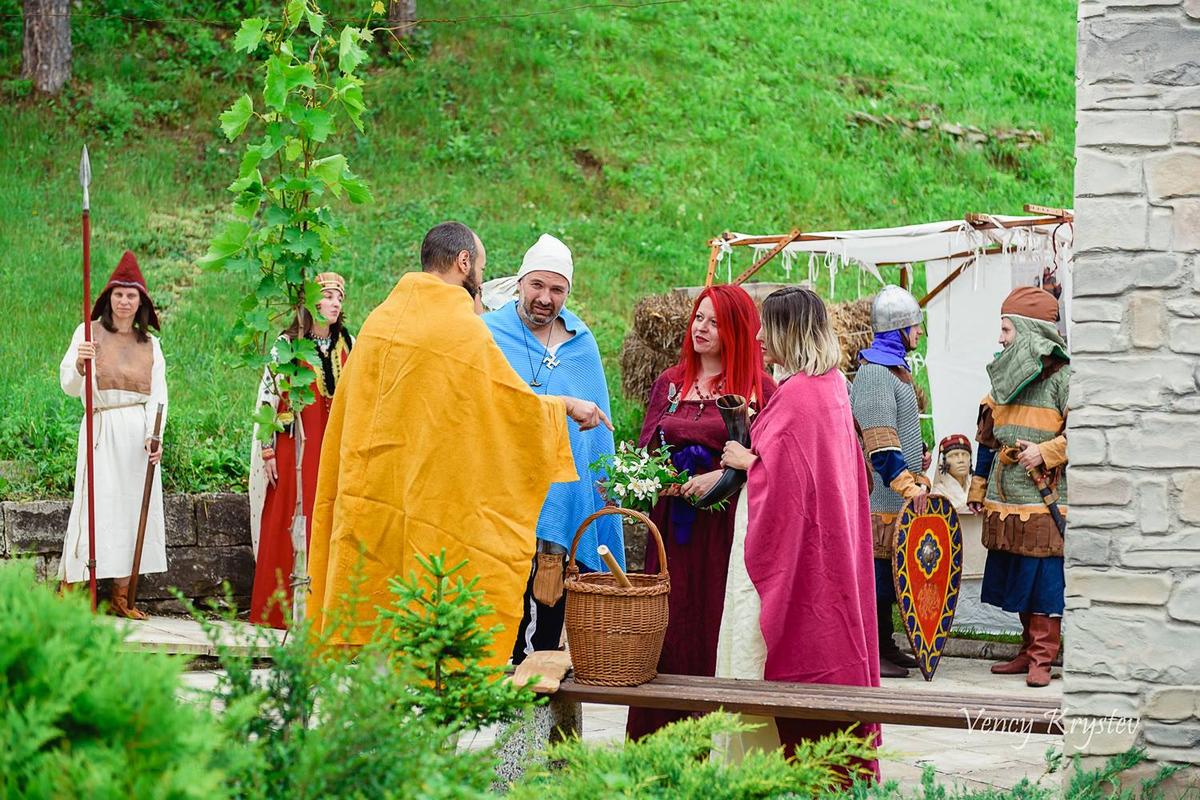
The association includes enthusiasts with different professions who all love history and are dedicated to promoting the past on the Bulgarian lands and the Balkan Peninsula. They recreate different eras: from Antiquity with the Thracians and Macedonians from the tumultuous 4th century BC, during the period of the Great Migration of the peoples and Goths, who left their mark at that epoch. They also do not miss the Middle Ages, recreating the lives of both Bulgarians and other peoples who passed through our lands. They take part in the organization of events in Plovdiv and Chirpan, hold numerous demonstrations at festivals, cultural and historical fests and schools in Bulgaria, Serbia and Romania.
Why did they choose “Sitalk” as the name of the association? “Sitalk” is the name of a ruler - everyone has heard of Sitalk, the son of Theresa, the mighty Thracian ruler of the Odryssian state. “Sitalk” is the appellation of God - a colossal statue of Apollo Sitalksky was erected in Delphi. “Sitalk” is a victory cry - Xenophon describes how the Thracians after their battle dance shouted: "Sitalk, Sitalk!". This layering fits with their vision of recreating history.
“Sitalk” Association reconstruct ancient customs, clothing, religious rites, ancient and medieval cuisine, martial demonstrations, or just moments from the lives of our ancestors. They convey a part of the past into modern day life via restorations and demonstrations. Each part of their demonstrations was created and carefully researched by the members of the association, who have accumulated knowledge for many years from old texts, images and findings, have talked with specialists and their work has been accompanied by many trials, errors and mistakes.
Their restorations and demonstrations include:
- Antique fashion - a story with a demonstration of the clothing of Thracians and Macedonians, how the clothes looked, how they were called, why they were of such construction and what their function was, what materials they used and how they sewed them.
- Antique weapons - the emergence and development of Thracian weapons and armor, their form and function, from whom they were used and why.
- Dionysus Rituals on the Occasion of New Wine or the First Grapevine.
- Sacrifice – Ares’ ritual before the battle for courage and masculinity of the warriors and for freezing the enemy's heart.
- Thracian feast - royal’s privilege and obligation, a major part of the life of the Thracian aristocracy. It shows how, during a feast, men exchange vital information for them, negotiate, strengthen alliances, discuss and organize military campaigns, or just have fun and drink.
- Thracian Bride Market - Reproducing this custom reveals the position of the woman in Thracian society.
- The Goths - their presence in the Bulgarian lands, late antique clothing and weapons.
- Gothic fertility rites dedicated to the future harvest or to the first torn fruits.
- Slave’s market.
- Cooking - ancient and medieval cuisine and recipes.
- Ancient and medieval games, played both for fun and for maintaining and developing the mind.
- Medieval Fashion.
- Medieval armament.
The association shares this knowledge and emotions with everyone because, as the Latin saying goes: Historia magistra vitae est - "History is the teacher of life".
Link

The content of this website does not necessarily represent the official position of the European Union.
The initiators of the site are the sole responsibles for the information provided through the site.